Solar photovoltaic setups generate significant electricity during daylight hours, yet consumption patterns frequently peak when sunlight is unavailable. Integrating a battery energy storage system allows users to capture excess production for later use. While standalone PV installations rely entirely on grid interaction or immediate consumption, the addition of storage hardware changes the functional dynamics of renewable energy management.
Operational Differences in Energy Management
Direct consumption models depend on the immediate match between generation and load. If the panels produce more power than the facility requires, the excess usually flows back to the utility grid. Conversely, a solar battery storage system retains this surplus locally, providing a buffer that reduces reliance on external power sources during the evening. This capability provides a different approach to energy independence for residential and commercial properties.
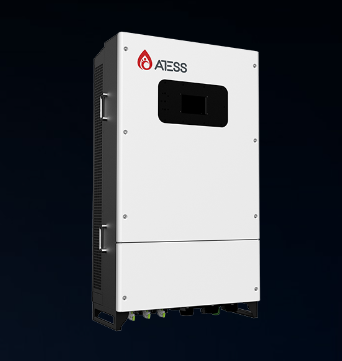
Technical infrastructure plays a significant role in how these systems function. Atess develops hardware designed to bridge the gap between generation and consumption. By using an advanced battery energy storage system, facilities can effectively shift their energy usage profile to align with grid pricing or specific operational requirements. The equipment ensures that power remains available even when grid stability fluctuates, offering a degree of control that standalone arrays do not provide.
Strategic Deployment of Storage Solutions
Project planning involves assessing the total load requirements and the duration of storage needed. A solar battery storage system requires careful sizing to ensure it handles the expected discharge rates throughout the night. Atess focuses on integration protocols that allow the energy storage hardware to communicate efficiently with the existing solar array. This coordination is necessary to maximize the utility of every kilowatt-hour captured from the panels.
When evaluating the transition from a standard setup to one with storage, technical teams analyze the discharge efficiency and cycle life of the cells. A solar battery storage system allows for more flexible power management, as it buffers the output of the array against sudden fluctuations. The deployment of this technology requires adherence to specific installation guidelines to ensure that all energy components operate within safe thermal limits.
Incorporating storage technology offers alternative methods for managing onsite power requirements. By extending the period over which generated energy remains usable, these setups provide functional benefits that change the way solar assets support daily operations.